


Cart abandonment in your e-commerce business is a serious concern. It’s not just a matter of lost sales but a missed opportunity to turn a high-intent shopper into a paying customer. When customers are ready to buy but abandon their cart, revenue is directly impacted.
Understanding the reasons behind cart abandonment and addressing friction points in your checkout process is essential for recovering lost revenue. The checkout stage is where most conversions are either won or lost, making it the most critical moment in your sales funnel.
By optimizing checkout, you eliminate friction points, making it easier for customers to complete their purchases and boosting your overall conversion rate.
Why Checkout Is Where Revenue Is Won or Lost
The checkout process can be the deciding factor in whether a customer finalizes their purchase or abandons it.
After all, the hard work has been done, customers have added items to their cart and are prepared to buy. But if the checkout experience is cumbersome, confusing, or feels insecure, many will hesitate and ultimately leave the site without completing their purchase.
An efficient checkout process not only ensures a smoother user experience but also increases your conversion rates. Every second of friction you remove means a higher likelihood of turning a potential sale into actual revenue.
High Intent Doesn’t Guarantee Conversion
It’s tempting to think that if a customer has made it to checkout, they’re almost certain to convert. However, even with high intent, customers can still abandon their carts for a variety of reasons.
The psychology behind consumer behavior during checkout is complex. Shoppers may hesitate when they see unexpected costs or when the checkout feels too time-consuming.
Understanding and addressing these psychological barriers can help reduce abandonment rates.
The Cost of Checkout Friction
Each additional step in the checkout process, whether it's an extra form field or a complicated payment gateway, adds friction. And with friction comes frustration.
Research shows that even small barriers during checkout can lead to significant revenue loss.
The goal is to create a seamless, fast, and intuitive process. The less effort required, the more likely it is that customers will complete their purchase.
The Biggest Reasons Customers Abandon Checkout
Understanding the reasons behind checkout abandonment is essential to fixing the issue.

Here are the primary factors that drive customers away:
Unexpected Costs at the Final Step
One of the most frustrating experiences for a customer is encountering unexpected costs, such as hidden shipping fees or taxes, right before they’re about to finalize their purchase.
These surprise fees create frustration and erode trust, making it likely that they’ll abandon the checkout process altogether.
To minimize this, ensure that all costs, such as taxes and shipping fees, are clearly displayed early in the checkout process. Transparency is essential to building trust with your customers and helping them feel confident in their purchase.
Additionally, trust plays a critical role in the success of your online store. A lack of trust signals during checkout can cause hesitation, leading to cart abandonment.
By incorporating trust elements like security certificates, customer reviews, and recognized payment methods, you strengthen the relationship with your customers, encouraging them to complete their purchase.
Too Many Steps or Fields
When the checkout process is lengthy or the forms are too complicated, it adds unnecessary friction that can make customers second-guess their purchase.
The more time they spend filling out fields or navigating through irrelevant steps, the less likely they are to complete the transaction.
A simplified checkout process, with fewer steps and essential fields, can significantly improve conversion rates by making the process faster and more intuitive.
Forced Account Creation
Forcing customers to create an account before completing their purchase is one of the quickest ways to lose a sale.
Many shoppers resist creating accounts because it requires extra time and effort. Additionally, some customers may worry about privacy or simply prefer a quicker, guest checkout option.
Instead of requiring account creation, offer guest checkout as the default option, which allows customers to complete their purchase quickly and without unnecessary barriers.
This simple change can reduce abandonment rates and improve overall sales.
Lack of Trust at Payment Stage
When customers reach the payment stage, trust is everything.
If the payment process feels unsecure or lacks recognizable security signals, customers will hesitate to provide their payment information and abandon their cart instead.
To build trust, ensure that your payment process includes visible security badges, such as SSL encryption and trusted payment options. These signals will reassure customers that their payment details are safe.
Simplifying the Checkout Experience
A smoother, quicker checkout process will help retain customers and increase conversions.

Fewer Steps, Faster Decisions
The more steps there are in the checkout process, the more chances there are for abandonment. Simplify the experience by reducing unnecessary fields and steps, allowing customers to complete their purchase faster.
Guest Checkout as Default
Allowing customers to check out as guests without forcing them to create an account significantly reduces friction.
This is an essential feature that improves the user experience and encourages more completed transactions.
Smart Form Design
Design your forms in a way that only asks for essential information. The simpler the form, the less effort the customer has to put into completing their purchase. Autofill options can also help speed up the process and reduce user frustration.
Transparency Builds Confidence
Transparency during checkout goes a long way in building trust with your customers. If they know exactly what they’re paying for, when they’ll receive their order, and the return policy, they are more likely to complete their purchase.
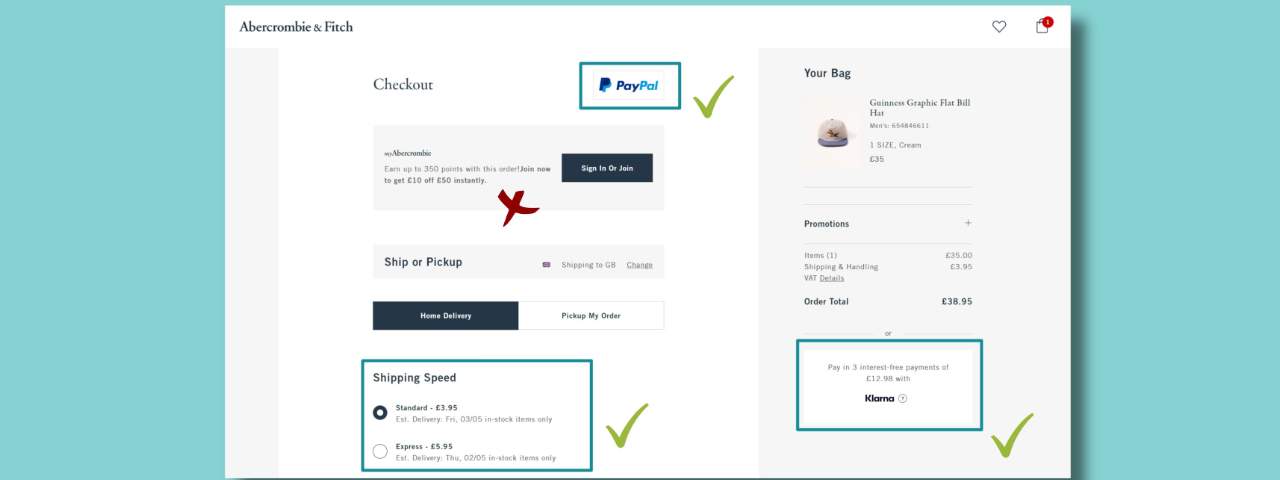
- Show Total Cost Early: Unexpected costs at the final step can lead to frustration. Show the total cost early in the checkout process to ensure customers are aware of all charges upfront.
- Clear Shipping and Delivery Info: Shipping times and delivery fees are often a major pain point for customers. Ensure that this information is clear and accessible to reduce uncertainty.
- No Hidden Conditions: Hidden fees or unclear terms and conditions can drive customers away. Ensure all relevant information is visible and easily accessible.
Solution:
- Display the total cost, including taxes and shipping fees, as soon as possible in the checkout process. This will avoid any surprises and build trust with your customers.
- Provide accurate shipping times and costs early in the checkout process. Customers appreciate knowing exactly when they can expect their purchase to arrive.
- Be transparent with your payment terms and conditions. Customers are more likely to complete their purchase when they know exactly what to expect.
Trust Signals That Reduce Drop-Off
Building trust at checkout is essential for conversion. Here are a few ways to reassure your customers during the checkout process:
Return Policy Visibility
Make your return policy visible during the checkout process. Clear and accessible return policies reduce perceived risk, encouraging customers to complete their purchase.
Social Proof Near Checkout
Displaying customer reviews or testimonials near checkout can help validate the purchase decision. Seeing positive feedback from others reassures the customer that they’re making the right choice.
Payment Experience as a Conversion Driver
The payment process is a crucial part of the checkout experience. A smooth, seamless payment experience can significantly increase conversions.
Offer Multiple Payment Methods
Offering multiple payment options, including local options, helps meet the needs of a wider audience. The more payment methods available, the higher the chances of a successful transaction.
Additionally, choosing the right payment gateway for your e-commerce store is crucial to ensure a smooth and secure transaction experience.
Payment gateways with strong security features and easy integration can help reduce cart abandonment and boost customer confidence. These signals will reassure customers that their payment details are safe.
Local Preferences Matter
Understanding the local payment preferences of your customer base can make a big difference. By offering familiar and trusted payment methods, you can improve conversion rates.
Reduce Payment Failures
Payment failures are a common cause of cart abandonment. By ensuring your payment system is stable and reliable, you can reduce these failures and recover lost revenue.
Mobile Checkout Optimization
When designing a mobile-friendly checkout, it’s crucial to prioritize ease of use.
Thumb-friendly design ensures that users can navigate the checkout process seamlessly, even with just one hand. Since mobile users primarily rely on their thumbs for navigation, your layout must be optimized for one-handed use.
What to do:
- Large Buttons: Ensure that buttons, whether for submitting a form, confirming payment, or selecting an option, are large enough to be tapped comfortably without precision. This helps eliminate frustration, especially for users with larger fingers or those using smaller devices.
- Spaced Layout: Avoid overcrowding the screen with elements that force users to tap too precisely. Ensure there is adequate space between interactive elements (buttons, fields, links) so that users can easily navigate without the risk of accidentally pressing the wrong button.
- Vertical Scrolling: Mobile screens are narrow, so it's essential to structure your checkout process in a vertical flow, allowing users to scroll smoothly and avoid unnecessary horizontal scrolling. This approach makes the process more intuitive and less daunting for users.
By designing with thumbs in mind, you make it easier for users to complete their purchases without unnecessary struggle, which can help reduce abandonment rates during the checkout process.
Recovery Strategies When Abandonment Still Happens
Even with a perfect checkout process, some carts will still be abandoned. Here are strategies to recover those sales:
Cart Recovery Emails
Sending timely, personalized recovery emails can encourage customers to return and complete their purchase.
Retargeting Campaigns
Using retargeting campaigns allows you to reach customers who abandoned their carts, bringing them back to finalize the purchase.
Smart Incentives (Used Carefully)
While offering incentives, like discounts, can help recover sales, it’s important to use them carefully to avoid devaluing your products.
Continuous Optimization, Not One-Time Fix
Checkout optimization is not a one-time fix; it’s a continuous process. Regular testing, monitoring, and optimization are key to maintaining a high conversion rate over time.
Monitor Drop-Off by Step
Track where customers drop off during checkout to identify and fix bottlenecks in the process.
Regularly monitor and analyze where customers abandon the checkout process and optimize those areas for better results.
Test Small Changes
Small, incremental changes to the checkout process can lead to significant improvements in conversion rates. Continuously test and refine your checkout process to ensure maximum efficiency and minimize friction.
Focus on Revenue, Not Just Completion Rate
It’s essential to measure the effectiveness of your checkout process not just by completion rates, but by the revenue generated.
Focus on optimizing for higher value conversions, not just completed transactions, to maximize overall revenue.
Conclusion
Optimizing your checkout process is essential to reduce cart abandonment and increase conversions. By streamlining the experience, ensuring clear pricing, and incorporating trust signals, you can turn more visitors into paying customers.