







Most ecommerce brands are sitting on a goldmine and don't realize it. They have a customer base, purchase history, browsing data, and behavioral signals, but they are using all of it to send the same email to everyone.
The result is low open rates, weak click-throughs, and a channel that feels more like a cost center than a revenue driver, a problem that scientific CRO can systematically identify and fix.
The brands winning with personalized email marketing for ecommerce are not doing more. They are doing it smarter, and the difference starts with understanding what personalization actually means and what it does not.
Why Most Ecommerce Emails Fail
Most ecommerce emails fail not because the channel is ineffective, but because the messages lack relevance and context.
When brands rely on generic communication and high volume instead of meaningful targeting, they lose attention before they even have a chance to convert.
Generic Messages Get Ignored
People do not ignore email; they ignore irrelevant email. The average inbox receives dozens of promotional messages every day, and the ones that get dismissed fastest are the ones that could have been sent to anyone.
A 20% discount with no context and a "check out our new arrivals" message with no connection to what the customer actually buys do not compete for attention, so they lose before they are even opened.
No Context, No Relevance
A message without context is just noise.
When an email does not reflect what the customer has done, what they care about, or where they are in their journey, it creates friction instead of connection. The customer does not see themselves in the message, so they move on.
Sending the right offer to the wrong person at the wrong time is just as ineffective as not sending anything at all.
Overcommunication Without Value
Many brands compensate for low performance by sending more, including more campaigns, more blasts, and more "just checking in" emails.
However, frequency without relevance accelerates unsubscribes and erodes trust.
When every email feels the same, customers stop opening them not because email does not work, but because that brand trained them not to.
What Personalization Actually Means (Beyond First Name)
Personalization goes far beyond inserting a first name into an email. It requires using real customer data, behavior, and context to create messages that feel timely, relevant, and intentionally crafted for each individual.
Behavior-Based Personalization
Using someone's first name in a subject line is not personalization because it is simply a mail merge.
Real personalization is built on behavior, including what someone bought, what they browsed, how long ago they purchased, and whether they have come back since.
When you use behavioral data to trigger emails based on actions, such as when someone looked at a product multiple times and did not buy or when they purchased something before and it is time to restock, you are sending a message that actually earns attention.
Contextual Messaging
Context is what separates a relevant email from a random one.
A customer who just made their first purchase needs a different message than someone who has bought five times. In the same way, a customer who has not opened your emails in 90 days is in a different place than someone who clicked your last three campaigns.
Personalized emails for sales work because they meet the customer where they are instead of where you assume they are.
Relevance Over Volume
The core principle of effective personalized email marketing for ecommerce is simple: one relevant email beats five generic ones.
When you prioritize relevance over volume, you build a channel that customers actually want to hear from, and that becomes the foundation of a retention strategy that compounds over time.
Getting that right starts with the essential ecommerce strategies every Shopify store needs.
Why Personalized Emails Convert Better
Personalized emails convert better because they align with what the customer actually wants, needs, or is already considering.
By reducing friction and increasing relevance, they make it easier for customers to take action.
They Feel Timely and Relevant
Timing and relevance are inseparable. An email about a product someone browsed yesterday lands differently than one about a category they have never shown interest in.
Personalized emails that arrive at the right moment, whether after a browse, after a purchase, or after a period of inactivity, feel less like marketing and more like a helpful nudge, which is exactly why they convert.
Data backs this up, since personalized emails generate open rates 29% higher and click-through rates 41% higher than generic sends, and the stores seeing those numbers consistently follow proven email marketing tactics that turn browsers into buyers.
For example, when Samsung launched the Galaxy Note 9 with personalized email campaigns, conversion rates increased by 275% compared to previous product launches because the message was the same product, but the difference was relevance.
They Reduce Decision Friction
A generic email makes the customer do all the work because they have to figure out whether anything in it applies to them, whether it is worth clicking, and whether it is a good time to buy.
A personalized email removes that friction because the product, the offer, and the timing all make sense for that specific customer, so the path from inbox to checkout becomes shorter.
They Increase Trust and Engagement
Consistently relevant emails do something that generic campaigns never can because they build trust. When a customer feels like a brand understands them, including their preferences, their history, and their habits, they lower their guard.
They start expecting value from your emails instead of filtering them out, and that shift in perception is what turns email into a long-term retention asset rather than just a one-time conversion tool, especially when paired with a strong Shopify SEO strategy driving the right traffic in the first place.
Types of Personalized Emails That Drive Sales
Not all personalized emails perform the same. Certain types, especially those triggered by behavior and intent, consistently drive more engagement and revenue by reaching customers at the right moment with the right message.
Abandoned Cart Emails

Few things signal purchase intent more clearly than an abandoned cart.
A well-timed email that is sent within the first hour, references the exact product left behind, includes a clear CTA, and possibly addresses a common objection such as shipping cost or return policy can recover a significant portion of that lost revenue, though only if the ecommerce landing page they return to is built to convert
In this case, the personalization is structural because it comes from the trigger, the product, and the timing.
Product Recommendation Emails
Recommendations that are built on purchase history and browsing behavior outperform generic "bestsellers" emails every time.
If someone bought running shoes, an email recommending insoles, socks, or a hydration pack is relevant. If someone has bought from the same category three times, a loyalty reward tied to that category feels earned.
This is personalization working as a revenue engine instead of just a communication tool.
Post-Purchase Follow-Ups
The moment after a purchase is an underused opportunity. A post-purchase email that confirms the order, sets expectations for delivery, and introduces complementary products creates immediate LTV potential.
It is also a natural moment to ask for a review, offer a referral incentive, or introduce a loyalty program, and all of this can be done without feeling pushy because the customer already trusts you enough to have bought.
Re-Engagement Campaigns
A dormant customer is not a lost customer. A re-engagement campaign that acknowledges the gap by stating that you noticed they have not been around and offers something genuinely relevant based on what they previously bought, instead of a random discount, has a real chance of bringing them back.
The key is to treat re-engagement as a personalized restart of the conversation instead of a generic win-back blast.
What Data Should You Actually Use
Effective personalization depends on using the right data, not just more data. Understanding which customer signals truly matter is what allows brands to create relevant experiences without overcomplicating their strategy.
Purchase History
This is your most reliable signal because what someone has already bought shows what they value, how often they buy, what they spend, and what they might want next.
Purchase history drives recommendation engines, loyalty programs, and replenishment reminders, and it is data you already have.
Browsing Behavior
Someone who visited a product page multiple times and did not buy is clearly signaling interest. This behavior should trigger a different email than the one sent to someone who has never interacted with that category.
Browsing behavior bridges the gap between expressed interest and actual purchase, and it is one of the most powerful inputs for personalization.
Customer Lifecycle Stage
A new customer, a repeat buyer, a VIP, and a lapsed customer all require different messages.
Segmenting by lifecycle stage is the foundation of a real retention strategy because it allows you to allocate your best offers to the customers most likely to respond instead of applying the same discount to everyone and eroding your margins.
Timing Is as Important as Content
Even the most relevant message can underperform if it is delivered at the wrong time. Timing plays a critical role in ensuring that emails reach customers when they are most likely to engage and take action.
When You Send Matters
The best email sent at the wrong time will still underperform. Send time optimization uses behavioral data to identify when each customer is most likely to open and engage, and this can make a measurable difference in open rates.
This does not need to be complex because you can start by analyzing when your most engaged segments typically interact and then test from there.
Trigger-Based vs Scheduled Emails
Scheduled campaigns such as newsletters, promotions, and seasonal sends, like Black Friday Cyber Monday, have their place.
However, trigger-based emails, which are messages sent automatically in response to a specific customer action, consistently outperform them.
These emails achieve higher performance because they arrive when the customer is already thinking about your brand or product.
Trigger emails have been shown to achieve open rates that are more than 150% higher than traditional campaigns, which reinforces how effective they are in capturing attention at the right moment.
Catching Intent at the Right Time
Intent has a limited window. A customer who abandons a cart is most reachable within the first 60 minutes, while a customer who just made their first purchase is more open to a cross-sell within the 24 hours after delivery.
Missing these windows means sending the right message too late, which is almost the same as sending the wrong message.
Writing Emails That Don't Feel Like Marketing
For personalization to work, emails need to feel natural and human, not like mass communication. The way a message is written can determine whether it builds connection or gets ignored.
Natural, Human Language
The tone of a personalized email should feel like a conversation instead of a broadcast. Using short sentences, clear language, and a voice that sounds like a real person rather than a press release makes customers more likely to read and act.
You can evaluate this by asking yourself whether the email feels like it was made for one person or sent to everyone.
Clear and Focused Message

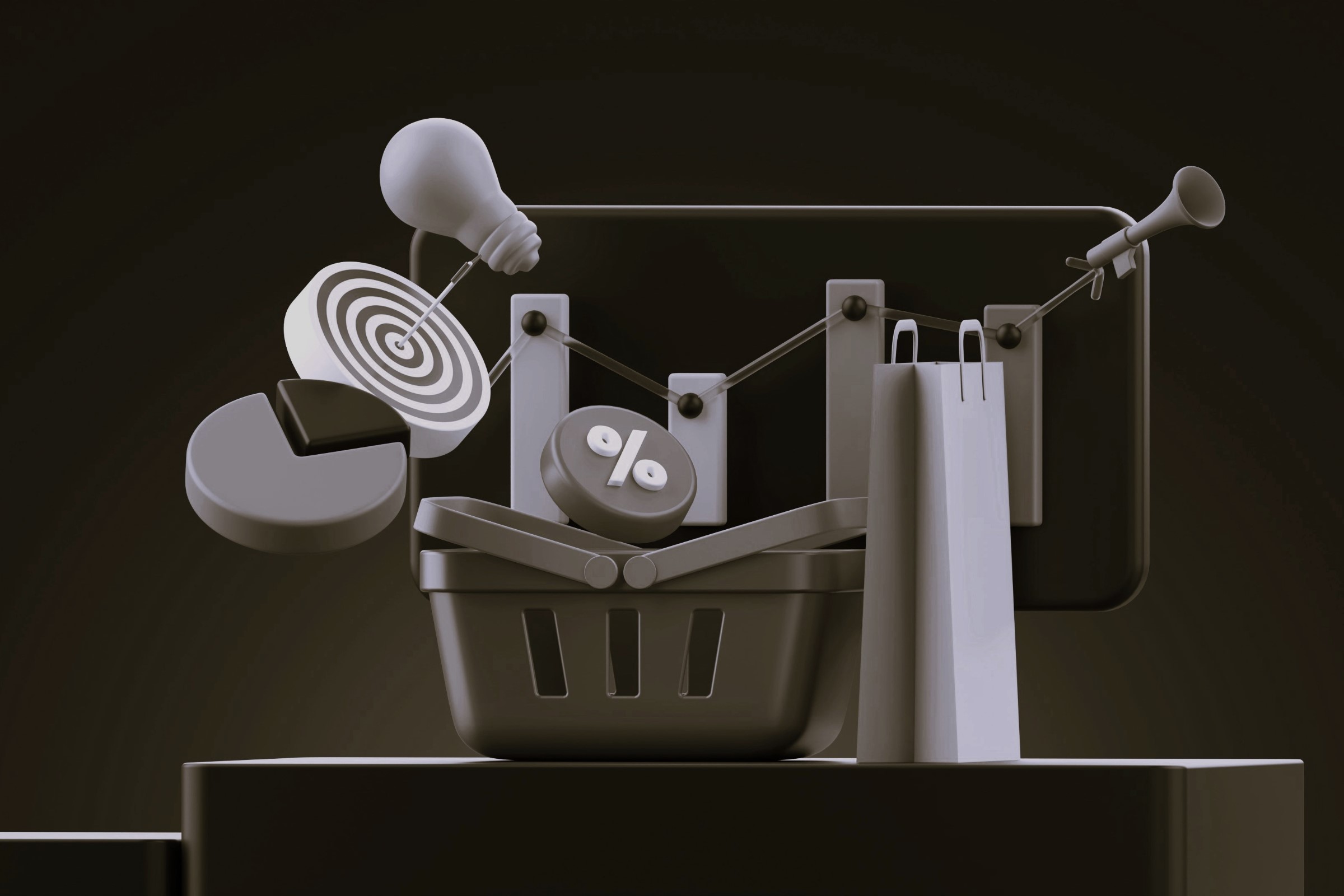
Emails hitting a target, representing clear and focused messaging that improves engagement and drives higher conversion rates
Every email should focus on one objective. It should not try to combine multiple goals such as promoting a sale, sharing a blog, and asking for social media follows at the same time.
One clear message, one clear offer, and one clear next step perform better because they do not divide the customer's attention.
Strong but Simple CTA
The call to action should be obvious and easy to follow. Phrases like "Shop now," "Get yours," or "Claim your discount" are direct, action-oriented, and aligned with the message.
It is important to avoid vague CTAs such as "learn more" when the goal is clearly to drive a purchase, because the customer is already ready to act and just needs a clear path.
Common Personalization Mistakes
While personalization can be powerful, it is often misused. Mistakes such as superficial targeting or intrusive messaging can reduce trust and undermine results instead of improving them.
Fake Personalization
Adding a first name to a subject line while sending the same email to thousands of people does not constitute real personalization, since it only creates the illusion of relevance.
Customers recognize this quickly, and it can damage trust instead of building it, which is why personalization must be genuine to be effective.
Over-Personalization
There is a fine line between being relevant and being intrusive. Referencing very specific behavioral data in a way that feels like surveillance, such as pointing out exactly when someone viewed a product, can make customers uncomfortable.
The goal is to use data to be helpful, not to create discomfort.
Irrelevant Recommendations
A recommendation system that suggests products that do not align with customer behavior, such as showing men's clothing to someone who has never browsed that category or recommending a product that was just purchased, performs worse than having no recommendation at all.
Poor recommendations break trust and weaken the entire personalization strategy, which is why quality data and proper segmentation are essential.
Turning Email Into a Revenue Channel
Email becomes a true revenue driver when it shifts from isolated campaigns to structured, data-driven systems. Consistency, automation, and relevance are what transform it into a scalable growth channel.
From Campaigns to Systems
One-off campaigns generate one-off results.
Brands that produce consistent revenue from email shift their focus to systems, including automated flows based on customer behavior, lifecycle triggers, and purchase signals that run continuously in the background and generate revenue without requiring constant manual campaigns.
That level of automation depends on a high-performance Shopify store built to support it.
Consistency Over One-Off Sends
A single well-performing email does not define a customer relationship. Instead, consistent and relevant communication over time increases customer lifetime value and strengthens engagement.
The goal of personalized email marketing for ecommerce is not just to generate one sale, but to maximize the value of every customer over time.
Measuring What Matters
Metrics such as open rate and click-through rate are useful, but they are only inputs. The metrics that truly reflect the impact of email on revenue include conversion rate, revenue per email, repeat purchase rate, and lifetime value by segment.
When email is measured as a revenue channel rather than just a communication tool, it can be optimized more effectively.
Email is not a broadcast tool; it is a relationship tool, and relationships are built on relevance, consistency, and timing.
Brands that understand this use their existing customer base to grow revenue without increasing acquisition costs. Instead of sending more emails, they focus on sending smarter ones.
If your email strategy still relies on sending the same message to everyone, the opportunity cost is significant.
The data already exists, the technology is available, and the 2025 email marketing statistics show exactly what is being left on the table.
Now is the time to build it.
Conclusion
Email personalization is the key to transforming e-commerce campaigns into true revenue drivers, and it is just one of the many benefits email marketing delivers for ecommerce brands.
Far from generic messages, relevance based on behavioral data and precise timing build trust and drive conversions. Ignoring this strategy means missing a valuable opportunity for engagement and growth.
Ready to elevate your email marketing strategy? Discover how vasta.me can help implement intelligent personalization and turn your emails into a consistent revenue channel. Book a call and start building lasting relationships with your customers today.