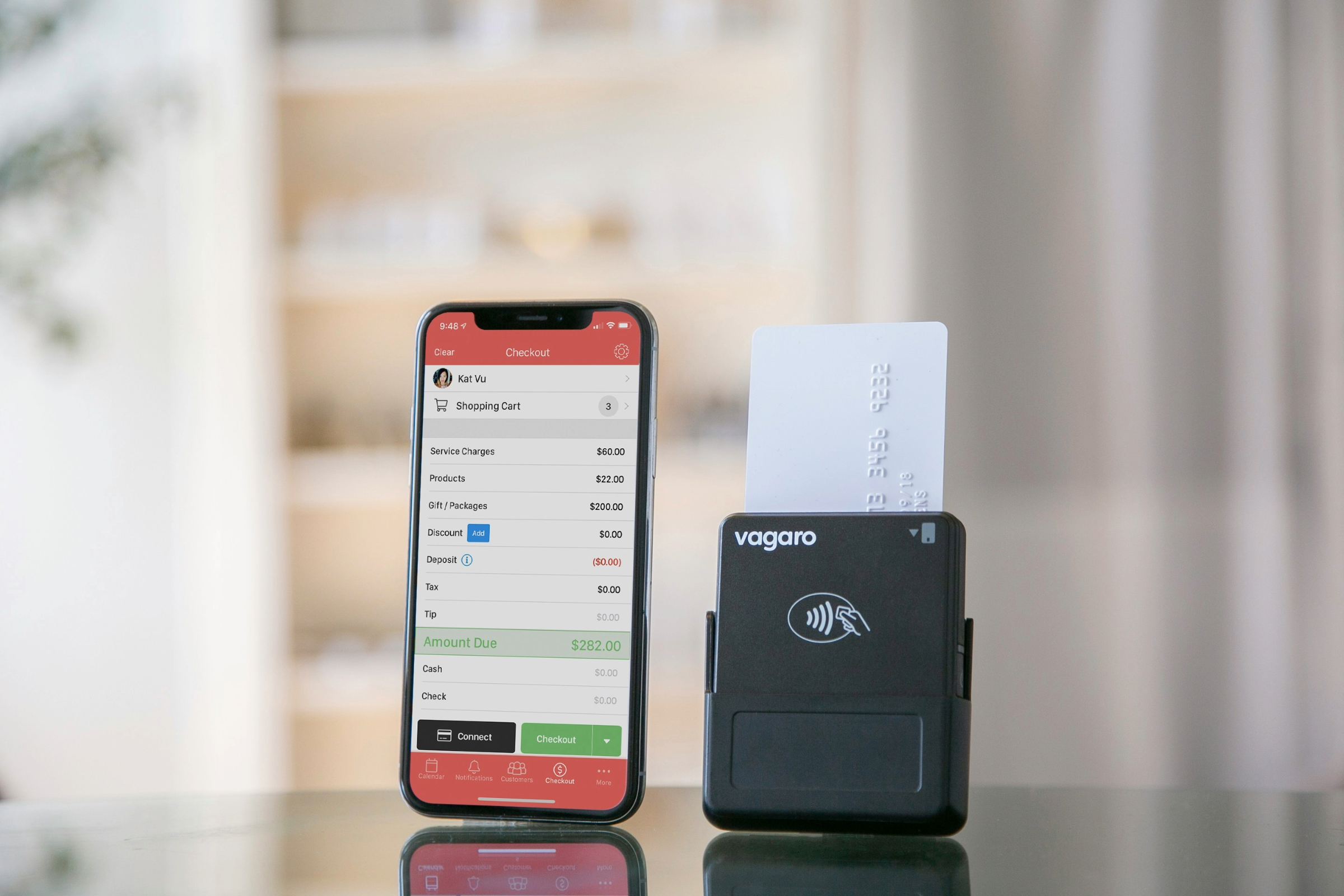





Checkout is where ecommerce performance becomes tangible. You’ve invested in acquisition, merchandising, UX, and retention, but none of it matters if the payment doesn’t go through. This is why ecommerce payment gateway selection is not a technical chore; it’s a revenue decision.
Yet many teams choose a gateway based on brand familiarity, default platform recommendations, or the promise of a fast setup. That approach tends to work well enough, until volume increases, approval rates fluctuate, or expansion introduces cross-border complexity.
What Is an Ecommerce Payment Gateway (and How It Actually Works)
A payment gateway is the infrastructure layer that allows money to move securely from a customer’s account to your ecommerce store. While the interface looks simple to shoppers, a form field, a wallet option, a confirmation message, the underlying process involves several players.
The Role of a Payment Gateway in an Online Transaction
During checkout, the gateway acts as a secure channel connecting the customer, the merchant, the acquiring bank, and the card network. Information is encrypted, sent for authorization, approved or declined, and returned to the store, often in under three seconds.
Even small inefficiencies inside this flow can impact conversion. A slow gateway can cause visible friction. Poor routing might reduce authorization rates. Excessive fraud filtering may block legitimate buyers. This is where many stores unintentionally lose revenue.
Payment Gateway vs PSP vs Intermediary
These terms often get mixed together, which leads to poor decision-making.
A payment gateway is the technology layer that securely handles transaction data.
A PSP (payment service provider) bundles the gateway with processing and acquiring services.
An intermediary or aggregator sits between merchants and acquiring banks, simplifying onboarding at the cost of control and flexibility.
Why this matters: each structure comes with different fees, risk models, settlement terms, and levels of customization. Understanding this distinction helps you compare options with more precision.
Where they diverge most clearly is in the practical trade-offs they introduce.
Control
- Gateways paired with direct acquiring give merchants significant autonomy over how payments are routed and approved.
- PSPs offer configurable control, though often within predefined boundaries.
- Intermediaries keep things simple but limit how much a merchant can influence risk rules or approval logic.
Fees
- Intermediaries rely on blended pricing, which is predictable yet not always cost-efficient as volume scales.
- PSPs structure fees by service layer, with additional charges tied to fraud tools, international flows, or dispute handling.
- Gateway-plus-acquirer setups can deliver more competitive economics over time, though they require closer financial management.
Flexibility
- Gateways provide the broadest room for customization, from checkout design to multi-acquirer routing.
- PSPs balance convenience and adaptability, often supporting a wide range of payment methods.
- Intermediaries optimize for simplicity, which naturally narrows customization options.
These distinctions become more visible as transaction volume grows or markets diversify, which is why clarifying them early makes later decisions far easier.
Why Choosing the Right Payment Gateway Impacts Revenue
Teams often underestimate the financial effect of a gateway decision because the impact is silent. If a checkout field feels slow or the gateway denies more transactions than necessary, you won’t always see a red flag, you just see conversion rates that “could be better.”
Checkout Conversion and Approval Rates
Approval rate optimization is one of the most underestimated growth levers in ecommerce. You can increase traffic or improve your product pages, but a single percentage point gained in approval rate is sometimes worth more than an entire checkout optimization initiative focused on conversion without increasing traffic.
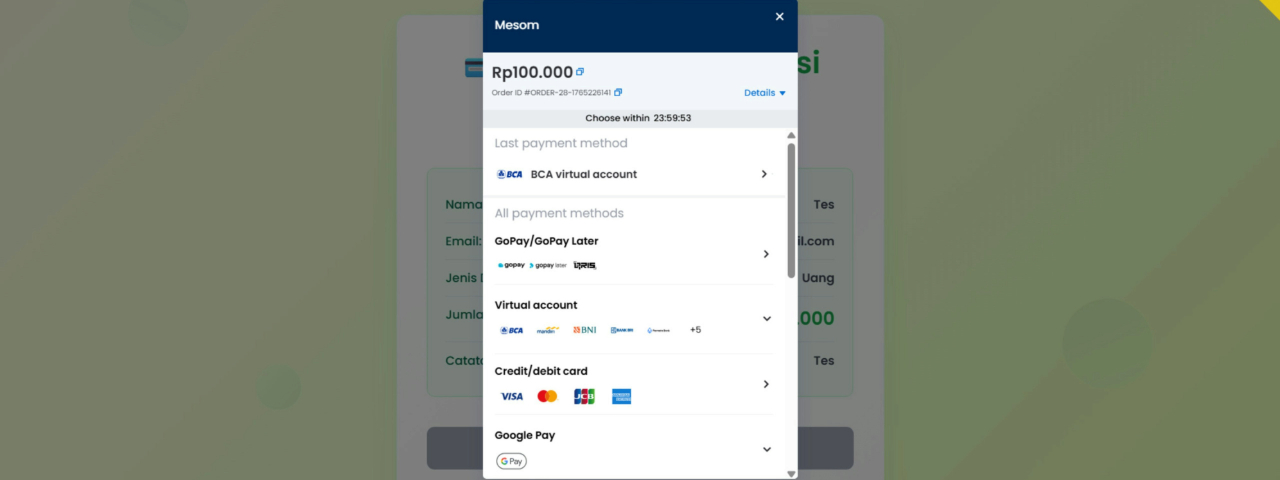
A well-optimized gateway reduces unnecessary declines, speeds up authentication, and supports modern payment methods that reduce friction. Improving approval rates and reducing friction at checkout usually requires more than isolated tweaks. It demands a conversion optimization approach centered on checkout performance, where payment logic, UX, and risk management are treated as a single system.
Customer Trust and Perceived Security
Shoppers interpret credibility in milliseconds, and trust signals at checkout play a decisive role in whether a transaction feels safe or risky.
A checkout that redirects to an unfamiliar domain or triggers additional steps without explanation tends to increase abandonment. Trust indicators, clear encryption signals, and frictionless authentication can lift conversion without touching pricing or acquisition.
Transaction Speed and Reliability
A reliable gateway rarely calls attention to itself in day-to-day operations, yet its influence becomes clear the moment something goes wrong. A brief slowdown during a campaign, a verification delay during peak hours, or an unexpected outage can interrupt sales immediately.
Reliability in this context is defined by the quality of the infrastructure supporting the transaction flow: uptime, redundancy, intelligent routing, and fraud systems that operate without adding extra friction for legitimate customers.
Core Criteria to Evaluate an Ecommerce Payment Gateway
Selecting the best ecommerce payment gateway requires a methodical approach. These are the criteria that matter in practice.
Security, Compliance, and Fraud Protection
Look for PCI DSS compliance, encryption standards, and anti-fraud frameworks that balance safety with approval rates.
Fraud tools that are too strict can reject legitimate orders and quietly lower revenue. Fraud tools that are too lenient expose you to chargebacks, fees, and reputational risk.
Checkout Experience: Redirected vs Embedded
A redirected payment sends the user to an external page. An embedded or transparent checkout keeps them on your site.
Embedded flows typically convert better because they reduce cognitive friction and maintain design continuity. Redirection may still be useful for high-risk markets or when speed of setup is the top priority.
Supported Payment Methods and Local Preferences
Payment behavior varies dramatically by region. Cards dominate in the U.S., digital wallets have grown globally, and methods like PIX or boleto matter in Latin America. Look for a gateway whose method coverage reflects your buyer’s reality, not just generic standards.
Fees, Transaction Costs, and Margin Impact
Gateways differ not just in their percentages, but also in how they handle cross-border fees, disputes, chargebacks, and monthly minimums.
Cost isn’t the only variable, but ignoring it can compress margins, especially at scale.
Scalability and International Expansion
A gateway that works for a domestic store may struggle once you introduce new currencies or higher volumes.
Multi-currency support, smart routing, and local acquiring capabilities become essential in international growth.
Integration, APIs, and Platform Compatibility
For Shopify, WooCommerce, or VTEX users, checkout extensibility and native integrations determine how much control teams actually have over payment flows, customization, and performance. A gateway that integrates easily reduces launch delays and minimizes developer reliance. When checkout logic, payment flows, and platform constraints become more complex, specialized ecommerce development focused on checkout architecture often becomes necessary to avoid performance bottlenecks.
Types of Ecommerce Payment Gateways Explained
While the market is full of providers, most fall into three operational models.
Hosted Payment Gateways
These redirect users to a secure external page. They are simple, reliable, and require less technical effort. The trade-off is loss of control and potential conversion drop from unfamiliar interfaces.
API / Integrated Payment Gateways
These allow full control over design and checkout experience. They tend to deliver higher conversion but require more technical maintenance and stronger security oversight.
Transparent Checkout vs Redirected Checkout
Transparent checkout keeps the entire payment experience inside your environment. Redirected checkout moves the user elsewhere.
The choice depends on your brand, trajectory, and tolerance for customization.
LChoosing a Payment Gateway Based on Your Business Profile
There is no universal answer to how to choose payment gateway ecommerce. The right decision depends on your scale, risk model, and long-term plans.
Small and Early-Stage Ecommerce Businesses
In the beginning, simplicity creates momentum. Teams are usually small, technical resources are limited, and priorities lean toward product, acquisition, and cash flow. A payment system that doesn’t require negotiation, custom routing, or hands-on fraud modeling tends to support these realities better than an overly sophisticated setup.
That’s why early-stage brands often thrive with providers that offer:
- Fast approval and onboarding
- Predictable cost structures
- A checkout experience that requires little to no development work
This keeps operational friction low so the team can allocate its attention where it matters most: finding demand and refining the offer.
Growing and Mid-Size Ecommerce Operations
As volume increases, new patterns begin to surface. Conversion fluctuations tied to authentication flows, fraud review bottlenecks, international traffic, or abandoned checkouts start carrying real financial weight. At this point, payment infrastructure becomes less about convenience and more about performance management.
What mid-size operators usually seek isn’t just “more features,” but:
- Better visibility into approval logic
- Greater control over how risk is handled
- A broader menu of payment methods to match growing audience diversity
This is also the stage where the limitations of all-in-one intermediaries become visible. Not because they are fundamentally flawed, but because the demands of a scaling brand require a degree of nuance they weren’t built for.
Large and Enterprise Ecommerce Stores
High-volume merchants operate under entirely different conditions. They manage volatility in traffic, run simultaneous campaigns across regions, negotiate fees directly with acquirers, and experience the financial impact of even small dips in approval rate. Payment infrastructure becomes a strategic system, closer to supply chain in importance than to simple checkout mechanics.
At this level, businesses often deploy layered setups that include:
- Multiple gateways operating in parallel
- Intelligent routing based on geography, issuer, or risk score
- Redundancy plans for peak events
- Custom fraud strategies aligned with historical transaction behavior
The aim is resilience. Enterprises cannot rely on a single point of failure, nor can they accept rigid fee structures that don’t reflect their scale.
How an Ecommerce Store Compares Payment Gateways
A practical example of how payment infrastructure impacts ecommerce performance comes from noon Payments, a major digital commerce platform in the Middle East.
Facing checkout friction, rising fraud risks, and cart abandonment driven by complex authentication flows, noon Payments partnered with Mastercard Gateway to modernize its online payment experience. The solution focused on simplifying checkout while increasing security, notably through Mastercard Payment Passkey, which replaces passwords and one-time SMS codes with biometric authentication.
By removing unnecessary steps at checkout and leveraging tokenization and biometrics, noon Payments enabled a faster, more secure purchase flow, reducing friction for legitimate buyers while maintaining strong fraud prevention controls. This approach reflects a key principle in ecommerce payments: higher security does not have to mean lower conversion.
Why this matters for ecommerce:
This case shows that when selecting a payment gateway, merchants should prioritize solutions that balance approval rates, fraud reduction, and user experience. Technologies like biometric authentication and streamlined checkout flows can directly reduce abandonment and unlock incremental revenue without changing traffic or product strategy.
Source: Mastercard Gateway case study. noon Payments
Common Mistakes When Selecting a Payment Gateway
Many payment problems don’t come from dramatic failures. They come from early decisions made quickly, without a full view of how the business will evolve. The same patterns show up across ecommerce teams, often for understandable reasons.
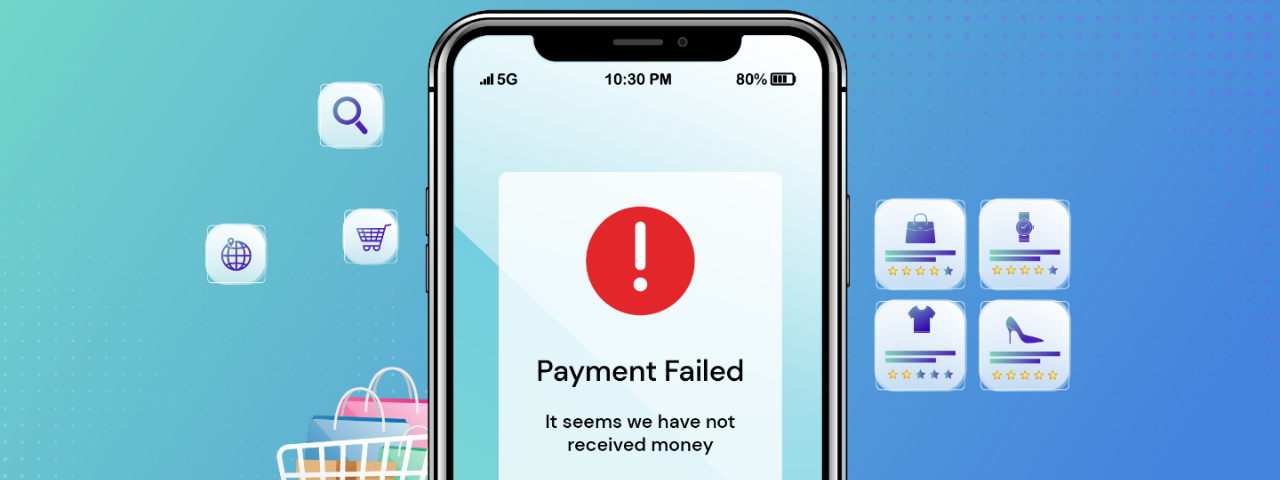
One of the most frequent missteps is choosing a gateway simply because it’s familiar. The name is recognized, it integrates easily with the platform, and onboarding feels painless. Familiarity is valuable, but it doesn’t guarantee the approval performance, payment-method coverage, or reporting depth a growing store eventually requires.
Another blind spot appears around local payment behavior. Teams entering new regions often assume that card penetration alone tells the full story. It rarely does. Markets behave differently, and a gateway that doesn’t support the preferred local payment types quietly depresses conversion.
Speed of setup is another tempting shortcut. Early convenience can mask long-term constraints, especially when the business starts operating across markets, handling larger fraud volumes, or needing to adjust risk rules rather than live with fixed defaults.
A final issue surfaces only once the store scales: fees that once felt trivial become meaningful at volume. Transaction costs, dispute fees, cross-border surcharges, and fraud-tool add-ons can reshape margins. Many teams only revisit these terms when the financial impact becomes too visible to ignore.
Most of these mistakes don’t look like mistakes in the moment. They look like efficiency. They only reveal themselves later, when transaction volume, geography, and customer expectations place new pressure on the checkout layer.
How to Create a Payment Gateway Strategy (Not Just a Choice)
Gateways should be treated as an evolving component of your revenue engine. Some merchants benefit from a single provider; others require multi-gateway redundancy. Reviewing approval rates regularly and adapting your configuration ensures the gateway remains an asset, not a bottleneck.
Final Checklist: How to Choose the Right Ecommerce Payment Gateway
- Security and compliance
A reliable provider should meet industry standards like PCI DSS and maintain strong encryption practices by default.
This isn’t about box-checking; it determines how customer data is handled, how disputes are managed, and how exposed your store is to unnecessary risk. - Checkout experience
This is where design and infrastructure intersect. Some gateways create an experience that feels native to your storefront, while others introduce extra steps, redirects, or authentication layers that interrupt the flow.
If you operate primarily on mobile, this difference becomes even more visible, since checkout performance, speed, and interaction design on mobile devices directly affect approval and abandonment rates.
- Supported payment methods
A gateway that covers card payments may work initially, but long-term performance depends on aligning with how your customers prefer to pay. Wallets, installments, PIX, bank transfers, the right mix depends entirely on your market. - True operational costs
Beyond the headline transaction rate, consider dispute fees, international surcharges, fraud-tool pricing, and settlement timelines.
Two providers with similar base rates can have very different impacts on margin once volume increases. - Scalability
Some gateways perform well at a few thousand orders per month but become restrictive when traffic spikes or when the business enters new regions. Multi-currency support, local acquiring, and stability under load matter more than most teams assume early on. - Integration quality
The difference between good and poor documentation becomes clear during implementation and whenever the checkout evolves. A provider with strong APIs, stable plugins, and accessible support reduces friction for both developers and operations teams.
Taken together, these elements give you a clearer picture of how each provider will behave not only on launch day, but at the moments that matter most: peak campaigns, international expansion, and periods of rapid growth.
Final Thoughts: The Right Payment Gateway Is a Growth Lever
Payment infrastructure plays a direct role in how much revenue an ecommerce business is able to capture. The gateway you choose influences approval rates, customer confidence, and the overall stability of the checkout experience. These are operational outcomes, but they carry strategic weight. When the business grows, the consequences of this decision grow with it.
Evaluating gateways through the lens of performance, security, and scalability gives teams a clearer view of what they’re building toward. It also reduces the risk of discovering limitations only after expansion begins.
For operators refining their checkout architecture or evaluating providers for the next stage of growth, the Vasta site reflects how we approach ecommerce development and CRO in practice. For ongoing insights and real-world perspectives, follow us on Instagram.