

Many e-commerce brands assume their biggest growth challenge is traffic. They invest in paid ads, SEO, influencer campaigns, and social media hoping that more visitors will naturally translate into more sales.
But in many cases, traffic is not the real bottleneck.
For countless online stores, the real problem appears after the click. Visitors arrive on the page, spend a few seconds scanning the content, and leave without taking action. When that pattern repeats consistently, you are facing a landing page not converting problem.
Improving ecommerce landing page conversion is rarely about a single change. Conversion performance is the result of multiple elements working together: structure, messaging, credibility, UX, and technical performance.
When one or more of these elements create friction, visitors hesitate. And hesitation is what quietly destroys ecommerce conversions.
The strategic question every store owner should consider is simple:
If every friction point on this page disappeared today, how much more revenue could your existing traffic generate?
Understanding that question is the starting point for effective landing page optimization.
Diagnosing Why Your Landing Page Isn’t Converting
When businesses analyze poor ecommerce CRO performance, they often look only at surface-level metrics. However, low conversion rates usually originate deeper in the user experience.
Typical warning signs include high bounce rates, shallow scroll depth, and visitors leaving before reaching the main call-to-action. In many cases, traffic quality is not the issue. The problem lies in how the page communicates value and guides visitors toward a decision.
A landing page functions as a decision environment. Every element either reduces friction or introduces uncertainty. When uncertainty accumulates, through unclear messaging, confusing layout, or lack of trust signals, visitors abandon the page before converting.
Diagnosing landing page optimization problems therefore requires evaluating the entire experience rather than focusing on isolated elements.
Design and Structure: How Layout Impacts Conversion
Design plays a far more strategic role in conversion than many businesses realize. In ecommerce CRO, design is not merely aesthetic. It is behavioral. Its purpose is to guide attention and simplify decision-making.
High-performing landing pages follow a clear visual hierarchy. Visitors should instinctively understand what they are looking at and what action they are expected to take. Typically, the page flow begins with a strong value proposition, followed by key benefits, credibility signals, and finally a clear call-to-action.
When this hierarchy is unclear, visitors struggle to understand the purpose of the page. Instead of moving forward confidently, they hesitate or abandon the page.
Another frequent problem occurs when businesses attempt to communicate too many ideas at once. Pages overloaded with dense text, multiple offers, or competing CTAs increase cognitive effort for visitors. Instead of simplifying the decision, the page forces users to interpret the message themselves.
Strong landing page best practices reduce this cognitive load. Every section of the page should support a single objective: guiding the visitor toward the intended conversion.
When the page structure becomes clearer and more focused, ecommerce landing page conversion tends to improve naturally.
Messaging and Value Proposition
One of the most common reasons behind a landing page not converting is a weak or unclear value proposition. When users land on a page, they instinctively look for answers to three questions: what is this, why does it matter, and why should I trust it?
If the page fails to communicate these answers quickly, visitors leave.
Many brands unintentionally focus their messaging on product features rather than outcomes. However, effective landing page optimization emphasizes results and benefits. Visitors want to understand how the offer improves their situation, solves a problem, or delivers a specific advantage.
Friction also appears when businesses ask for too much commitment too early. Long forms or unnecessary data fields create resistance in the conversion process. Each additional step increases the likelihood that visitors will abandon the page before completing the action.
Simplifying these interactions is one of the most effective ways to increase landing page conversion rate.
Trust Signals and Social Proof
Even a compelling offer may fail if visitors do not trust the brand presenting it.
Trust plays a central role in ecommerce conversions, especially when visitors are encountering a brand for the first time. Without clear credibility signals, many users hesitate to make a purchase or submit personal information.
This is why social proof is such a powerful component of ecommerce CRO strategies.
Testimonials, product reviews, customer stories, and recognizable brand logos all help reduce perceived risk. These elements demonstrate that other customers have already trusted the brand and achieved positive outcomes.
When visitors see evidence that others have had successful experiences, their own hesitation decreases.
For many landing pages, adding stronger credibility indicators can significantly improve ecommerce landing page conversion without any changes to traffic volume or advertising spend.
How UX Friction Impacts Landing Page Conversions

User experience problems often remain invisible because they do not always appear as obvious design flaws. Instead, they manifest as small moments of confusion during the browsing process.
For example, when landing pages include full navigation menus or numerous exit points, visitors may become distracted and explore other sections of the site instead of completing the intended action.
Similarly, poorly structured content forces visitors to spend additional effort interpreting the page. When users must work harder to understand the message, the likelihood of conversion decreases.
In digital environments, effort is the enemy of conversion.
Effective landing page optimization focuses on reducing cognitive effort wherever possible. Clear headings, concise sections, and logical content flow help visitors quickly grasp the offer and understand the next step.
When the UX experience feels intuitive and frictionless, ecommerce CRO improves because the path toward conversion becomes easier to follow.
Mobile Experience and Page Speed
.png)
Mobile traffic now dominates most online shopping journeys. As a result, mobile usability has become one of the most important factors influencing ecommerce landing page conversion.
A page that performs well on desktop may still fail on mobile if buttons are difficult to tap, forms are frustrating to complete, or the layout breaks on smaller screens.
Page speed is equally critical. Modern users expect websites to load almost instantly. When loading times exceed a few seconds, abandonment rates increase dramatically.
Slow pages undermine landing page optimization because visitors may leave before even seeing the value proposition.
Technical improvements such as compressing images, reducing unnecessary scripts, and improving hosting performance can significantly increase landing page conversion rate by removing these invisible barriers.
SEO and CRO: Why Search Intent Drives Conversions
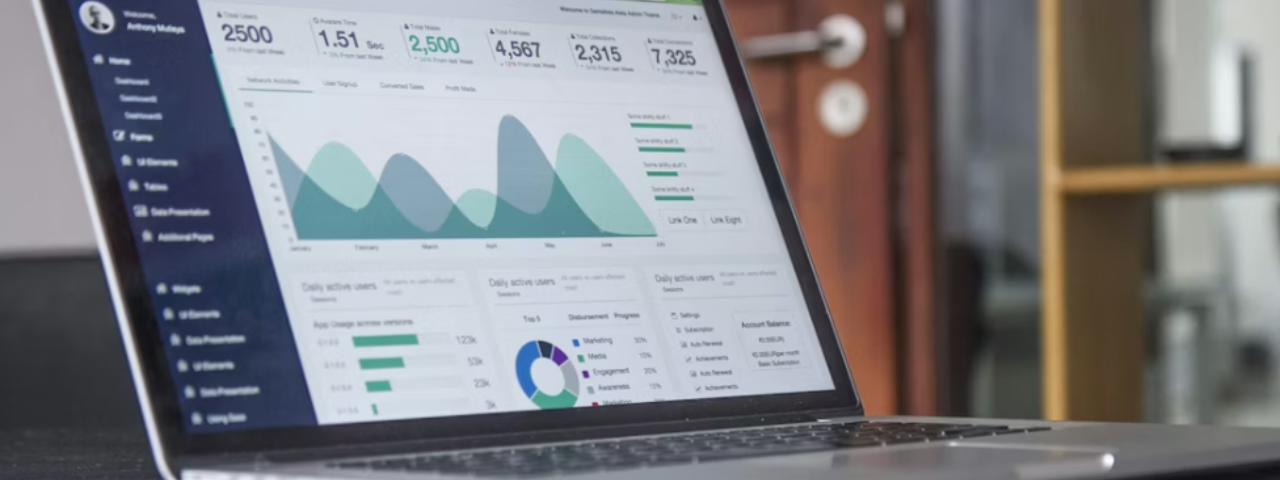
SEO and CRO are closely connected. While SEO brings traffic, CRO determines whether that traffic converts.
Effective SEO attracts visitors whose search intent aligns with the offer presented on the page. When users arrive expecting a specific solution and immediately see that their expectations are met, ecommerce conversions become far more likely.
For this reason, aligning page content with search intent is an essential component of landing page optimization.
Integrating keywords such as ecommerce landing page conversion, landing page not converting, and landing page optimization helps ensure that the page attracts users actively searching for solutions related to conversion performance.
When the right traffic meets the right message, ecommerce CRO becomes significantly more effective.
Using Data and A/B Testing to Improve Landing Page Conversion Rates
One of the most common mistakes businesses make when optimizing landing pages is relying on assumptions instead of data.
Successful landing page optimization relies on experimentation.
A/B testing allows businesses to compare variations of specific elements, such as headlines, CTA text, or page layout, to determine which version generates more ecommerce conversions.
Over time, these incremental improvements accumulate. Even small adjustments can meaningfully increase landing page conversion rate when applied consistently.
Instead of redesigning pages based on guesswork, the most effective approach is continuous testing and refinement.
In Summary
When a landing page not converting becomes a recurring issue, the solution rarely lies in a single adjustment. Conversion performance emerges from the interaction between design, messaging, trust signals, UX, technical performance, and traffic intent.
Optimizing these elements together is what ultimately improves ecommerce landing page conversion.
For many businesses, increasing conversion by even one or two percentage points can generate significant revenue growth without increasing marketing spend.
In other words, the fastest way to grow an e-commerce business is often not attracting more visitors, but extracting more value from the traffic that already exists.
Stay ahead of the curve with the latest strategies and insights to optimize your e-commerce success. Follow Vasta for expert advice on design, UX, SEO, and conversion optimization.