




Walk into any successful ecommerce brand, and you’ll notice something subtle yet powerful: Everything seems to “make sense.”
The categories feel intuitive, the product names feel familiar, and the descriptions feel as if they were written by someone inside the shopper’s mind.
Search results feel accurate, helpful, and almost predictive. That sense of ease doesn’t happen by accident; it happens because the brand understands something most store owners overlook:
Before a customer ever sees a product, they use language to find it.
And that language (the exact phrases people type into Google) forms the hidden architecture of your entire online business.
This is where keyword analysis for ecommerce becomes far more than an SEO checklist. It becomes a strategic lens for understanding demand, shaping experiences, and ultimately selling more, without shouting louder or spending more on ads.
Keywords as Market Signals, Not Just SEO Tactics
Most founders think of keywords as technical items used by developers or SEO teams. But that mindset limits their power.
In reality, keywords are signals, tiny markers of intention scattered across the internet.
Someone searching “natural dog shampoo for sensitive skin” isn’t just looking for shampoo. They’re expressing anxiety, care, and a specific need.
Someone typing “best room diffuser for large spaces” isn’t browsing products. They’re searching for a feeling: a calm home environment that smells good.
Keywords tell you:
- what people care about
- what they’re comparing
- what they fear
- what they desire
- what they’re ready to buy
This is why keyword research matters so much for ecommerce.
It gives you market clarity, long before you create products, adjust pages, or set up your SEO.
It’s also why our pillar page emphasizes audience behavior and intent so heavily.
Because once you see keywords as signals, not tactics, everything about growth becomes simpler.
How Keyword Analysis Eliminates Guesswork
Guessing is expensive. Assuming is even worse.
Every week, brands make decisions based on gut feeling:
- renaming products
- reorganizing categories
- writing new descriptions
- launching blog posts
- building landing pages
And the results show that most of it misses the mark.
Keyword analysis eliminates that. It closes the gap between what you think customers want and what they actually search for.
Take a common example:
A skincare brand launches a product called “HydraGlow Serum”
Beautiful name.
But no one (that doesn’t know the brand) searches “HydraGlow”
What do they search for?
“Vitamin C serum for dark spots”
“Hydrating anti-aging serum”
“Niacinamide serum for uneven texture”
Without ecommerce keyword research, you’d never know the invisible demand hiding under your nose.
With it, you suddenly understand exactly which phrases match real intent, and which ones belong in an internal brainstorm document.
Everything in Your Store Is a Reflection of Language
People think design drives conversions. And it does, but only partly.
Most of what makes a high-performing ecommerce store work is language alignment.
The closer your store’s language mirrors the customer’s language, the easier it is for them to buy.
Here’s how that alignment plays out:
1. Product Naming
If customers search “vegan protein powder,” naming your product “Plant Power Fuel” won’t help them find it.
2. Collections & Categories
If shoppers look for “outdoor patio rugs,” your “Summer Living Essentials” category may hide the exact product they want.
3. Internal Search
If your search bar doesn’t understand the difference between “running shoes” and “gym shoes,” someone is leaving your site annoyed.
4. Content & Blog Posts
Guides like “How to Choose the Best Running Shoes for Flat Feet” solve real problems, because they’re rooted in the phrases people already use.
This is the heart of an effective SEO workflow. And it’s why we built our ecommerce strategy around real-world search behavior (not opinions) as outlined here: https://www.vasta.me/seo
Language is the architecture behind discoverability.
If the structure matches human thinking, the store feels smooth. If it doesn’t, customers feel friction, even if the design is beautiful.
The Direct Link Between Keyword Clarity and Conversions
If you’ve ever wondered why one product page converts, and another doesn’t, the answer is usually simple:
One speaks the customer’s language.
The other speaks just the brand’s language.
Keyword clarity improves conversions by reducing cognitive load.
Let’s look at a quick contrast:
- Brand language:
“Ultra-relief targeted moisturizer with dermal repair complex.” - Customer language:
“Moisturizer for red, irritated skin.”
One is clever. The other is clear. And clarity sells.
When you build your store using the insights from profitable ecommerce keywords:
- Customers feel understood
- Google understands your content
- Ads perform better
- Product pages convert higher
- On-site search delivers relevant results
Everything compounds.
This is why keyword strategy sits at the foundation of any serious ecommerce SEO plan; it influences every touchpoint on the path to purchase.
The “Insight Loop”, A Practical Way to Make Keyword Analysis Actionable
Here’s where many brands get stuck:
They gather keyword data… They gather more keyword data… And then don’t know what to do next. The secret is creating what we call an Insight Loop: a simple, repeatable process for turning data into action.
Think of it like this:
Step 1: Observe
Identify patterns:
What are people searching for?
Which modifiers pop up consistently?
What fears or desires hide inside the language?
Step 2: Interpret
Ask:
What does this tell us about the customer mindset?
What stage of buying are they in?
What problem are they really trying to solve?
Step 3: Apply
Update:
- product titles
- collection labels
- page headings
- FAQ sections
- internal search synonyms
Step 4: Measure
Track whether:
- organic traffic improves
- dwell time increases
- bounce rates drop
- conversions rise
Step 5: Repeat
Because market language evolves, and so should your store. This loop ensures keyword insights don’t sit in a spreadsheet, they shape how your store feels and how customers interact with it.
Tools That Reveal Opportunities You Didn’t Know Existed
Most ecommerce founders think keyword research requires a heavy toolkit or deep technical skill but at once. The reality is that you only need a few tools and a clear lens.
Here are the three tools that deliver the greatest impact with the least complexity:
1. Google Search Console (GSC)
If you want to understand how Google currently interprets your store, start here.
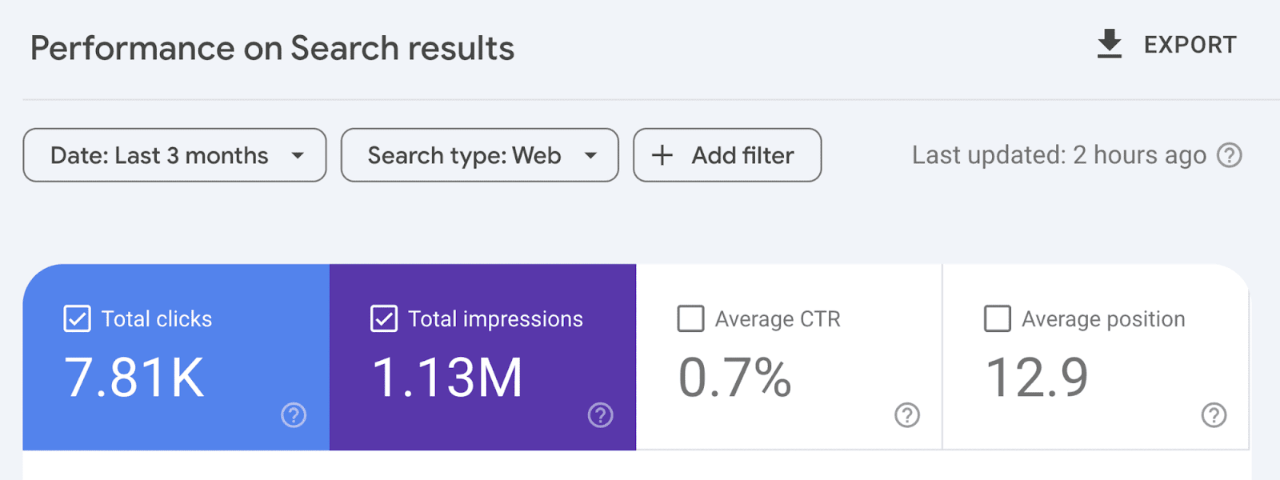
- the keywords you’re accidentally ranking for
- the pages Google sees as relevant
- hidden opportunities where you show impressions but no clicks
This alone can reveal profitable ecommerce keywords you never would’ve considered.
2. Search Atlas, Ahrefs, or Semrush
Think of these tools as the “binoculars” that let you see beyond your own store.

They help you:
- study competitors
- analyze keyword gaps
- uncover long-tail phrases
- validate demand before investing in content
A single comparison can reshape an entire ecommerce keyword research strategy.
For example, a competitor ranking for:
- “best organic dog treats for allergies”
…is a signal of a demand you may not have captured yet.
3. People Also Ask / Google Autocomplete
When you want the purest form of human search behavior, look here.
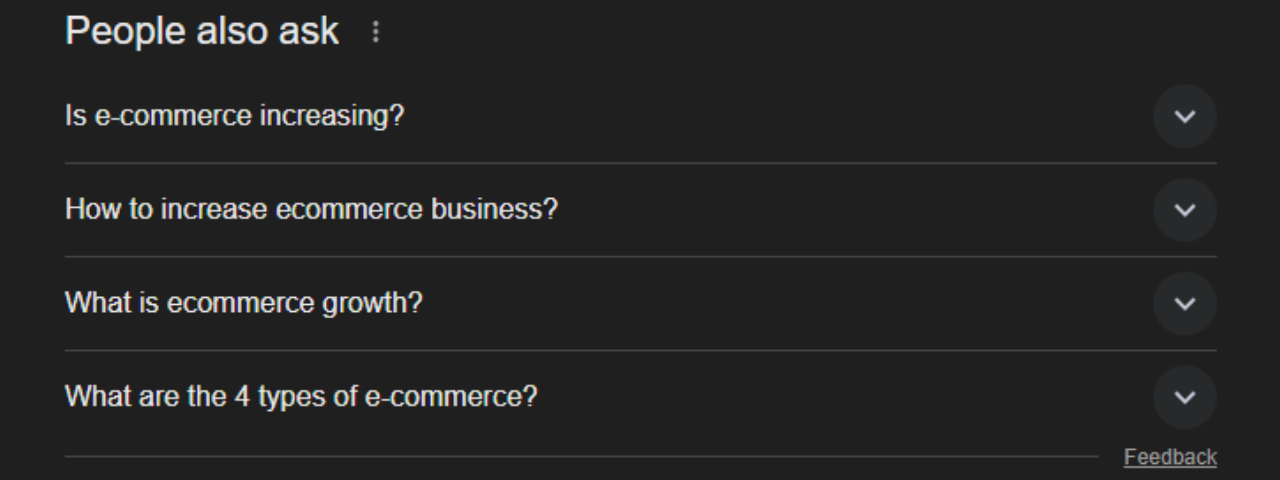
Autocomplete phrases show exact human language.
“People Also Ask” reveals the mental checklist shoppers use before buying.
It’s direct, unfiltered consumer psychology displayed right in the SERP.
Why These Tools Matter More Than Fancy Dashboards
Because they reflect actual human behavior, not hypothetical predictions.
Your job as an ecommerce brand isn’t to outsmart algorithms.
It’s to listen.
These tools help you hear:
- what customers want
- what they compare
- what they struggle with
- what they need clarified
- what they wish existed
The brands that win are the ones that follow the trail of language, not the noise of assumptions.
Final Thoughts
Keyword Analysis Is How You See the Market Before Your Competitors Do
The most successful ecommerce teams don’t guess their way to growth.
They observe.
They listen.
They interpret.
They adapt.
Keyword analysis for an ecommerce isn’t just a tactic. It is a form of market intelligence, the clearest, most honest expression of what customers want and how they think.
When you understand the words your audience uses, you gain the ability to:
- Refine your product names
- Simplify your navigation
- Sharpen your message
- Create content that solves real problems
- Rank for the phrases buyers actually care about
- and build a store that feels surprisingly intuitive
This is what separates stores that feel like a maze from stores that feel like a conversation.
Your customers are already speaking.
Your data tools are already listening.
Your competitors are already guessing.
The question is:Are you ready to see the market more clearly than everyone else?